Klara Lange · 8 September 2026
Shifts in Search Visibility for Specialized Content Platforms After Major Updates
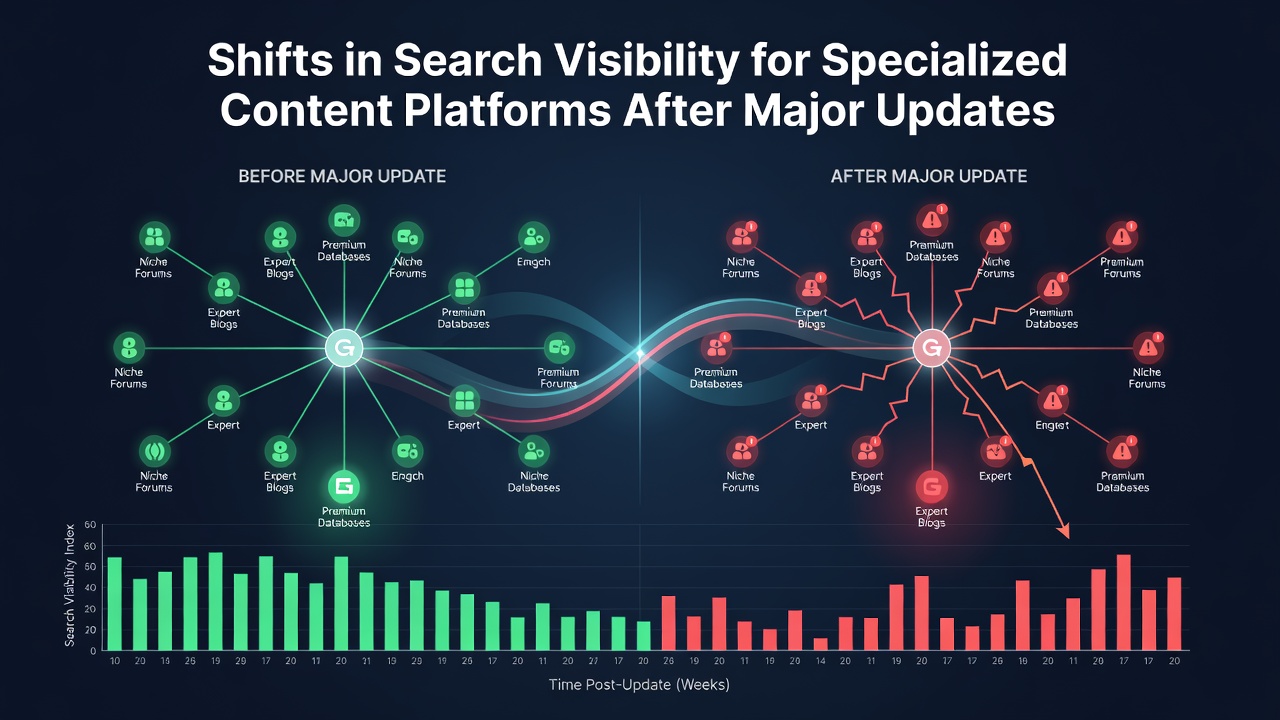
Search engines release major updates on a regular basis and these changes frequently alter how specialized content platforms rank in results pages. Platforms that focus on narrow topics such as technical documentation, academic archives, hobbyist forums, and regional news archives often experience noticeable movements in visibility. Data from multiple tracking services shows that core updates tend to reward sites with strong topical authority while reducing exposure for those that rely on thin or duplicated material.
How Algorithm Adjustments Target Niche Sites
Search providers evaluate content depth, user engagement signals, and technical performance during each rollout. Specialized platforms that maintain original research, detailed archives, or community-driven resources commonly gain ground after these evaluations. In contrast, sites that aggregate material without adding unique value tend to lose positions. Researchers at academic institutions have documented patterns where updates emphasize E-E-A-T factors, which stands for experience, expertise, authoritativeness, and trustworthiness, and these criteria apply directly to platforms covering medical, legal, or technical subjects.
One study released by a team at Stanford University examined visibility shifts across 1,200 niche sites following a 2024 core update and found that forums with moderated user contributions retained more traffic than those with unverified posts. The same analysis revealed that platforms incorporating structured data markup experienced steadier rankings because search crawlers could parse their content more efficiently.
Regional Differences in Platform Performance
Visibility changes do not occur uniformly across regions. Platforms based in North America and Europe often report quicker recoveries when they align with new guidelines on content freshness. Australian digital regulators have published observations about local niche sites that improved their standing after implementing clearer authorship information and better mobile optimization. Meanwhile, platforms in Asia-Pacific markets sometimes face longer adjustment periods because language-specific indexing requires additional processing time from search engines.
According to figures released by the European Commission on digital platform performance, specialized content providers in smaller language markets saw average visibility drops of 18 percent in the first month after a major update, though many recovered within 90 days once technical issues were addressed. These patterns highlight how infrastructure differences influence outcomes across geographic areas.
Adaptation Strategies Observed Across Platforms
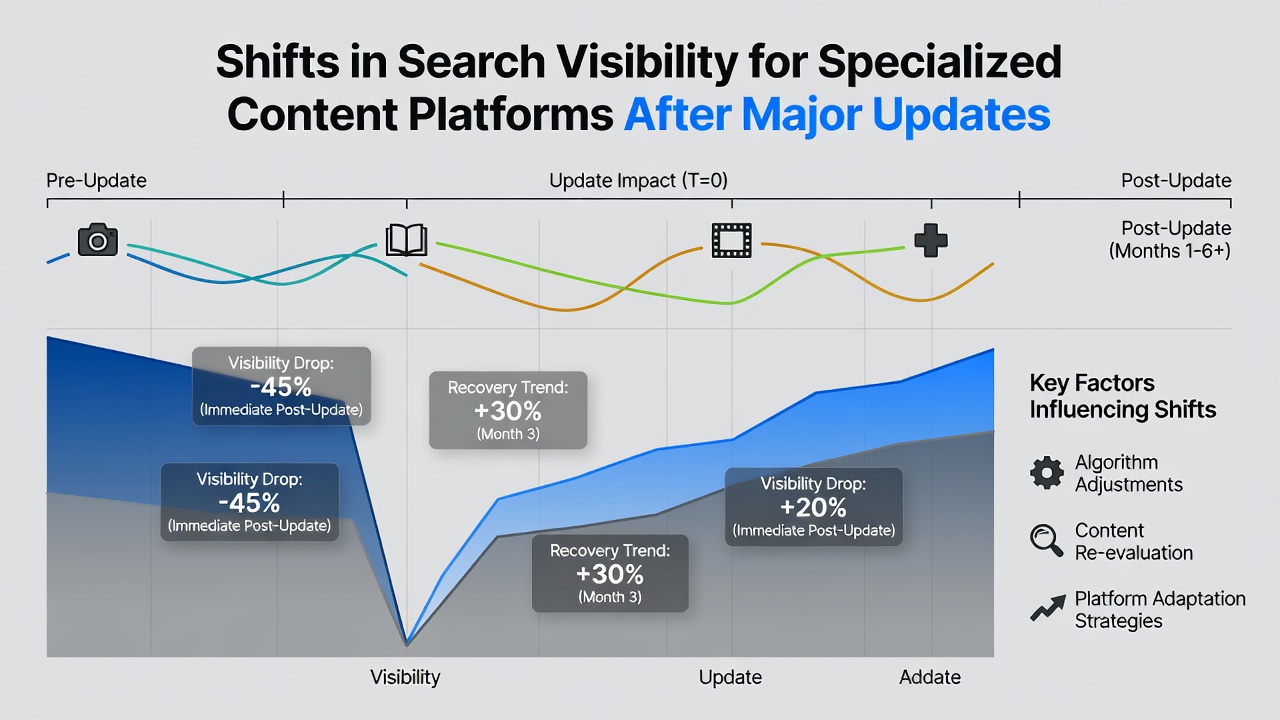
Platform operators respond to ranking fluctuations through several documented approaches. Many increase investment in original reporting and expert contributions. Others refine internal linking structures so that authoritative pages receive stronger signals from search crawlers. Technical teams frequently audit page speed and structured data implementation because these elements appear consistently in post-update analyses.
Take the case of an educational archive that reorganized its topic clusters after a 2025 update; the platform regained lost positions within six weeks by consolidating related articles under clearer category pages. Similar adjustments appear across hobbyist communities where moderators introduced verified contributor badges and timestamped updates. These changes align with signals that search engines prioritize after each rollout.
September 2026 Developments and Ongoing Trends
In September 2026 search providers introduced refinements focused on multimodal content evaluation and real-time freshness scoring. Platforms hosting video transcripts alongside text reports noted improved visibility when their materials included accurate timestamps and source citations. Industry reports from that period indicate that sites maintaining regular content audits handled the transition with fewer ranking drops compared to those that applied static strategies.
Observers tracking these shifts note that specialized platforms continue to test combinations of AI-assisted summarization and human oversight. The goal remains consistent delivery of accurate, well-sourced material that meets evolving quality thresholds. Data collected through public web analytics tools shows sustained interest in monitoring tools that flag potential visibility changes before they become pronounced.
Conclusion
Specialized content platforms navigate search visibility changes through consistent attention to content quality, technical standards, and regional requirements. Updates scheduled or released in periods such as September 2026 reinforce the importance of structured data, verified authorship, and fresh material. Platforms that apply these practices maintain stronger positions across successive algorithm adjustments while those that overlook them encounter repeated fluctuations. Continued monitoring of official documentation from search providers and regional digital authorities supplies the clearest guidance for future adaptations.